Why a 1970s V8 Swap Costs in Gas and Hours of Work
You’ll see the true fuel‑penalty of early V8 swaps and why the numbers don’t add up. Most how‑to guides gloss over the long‑run cost and the hidden performance losses.
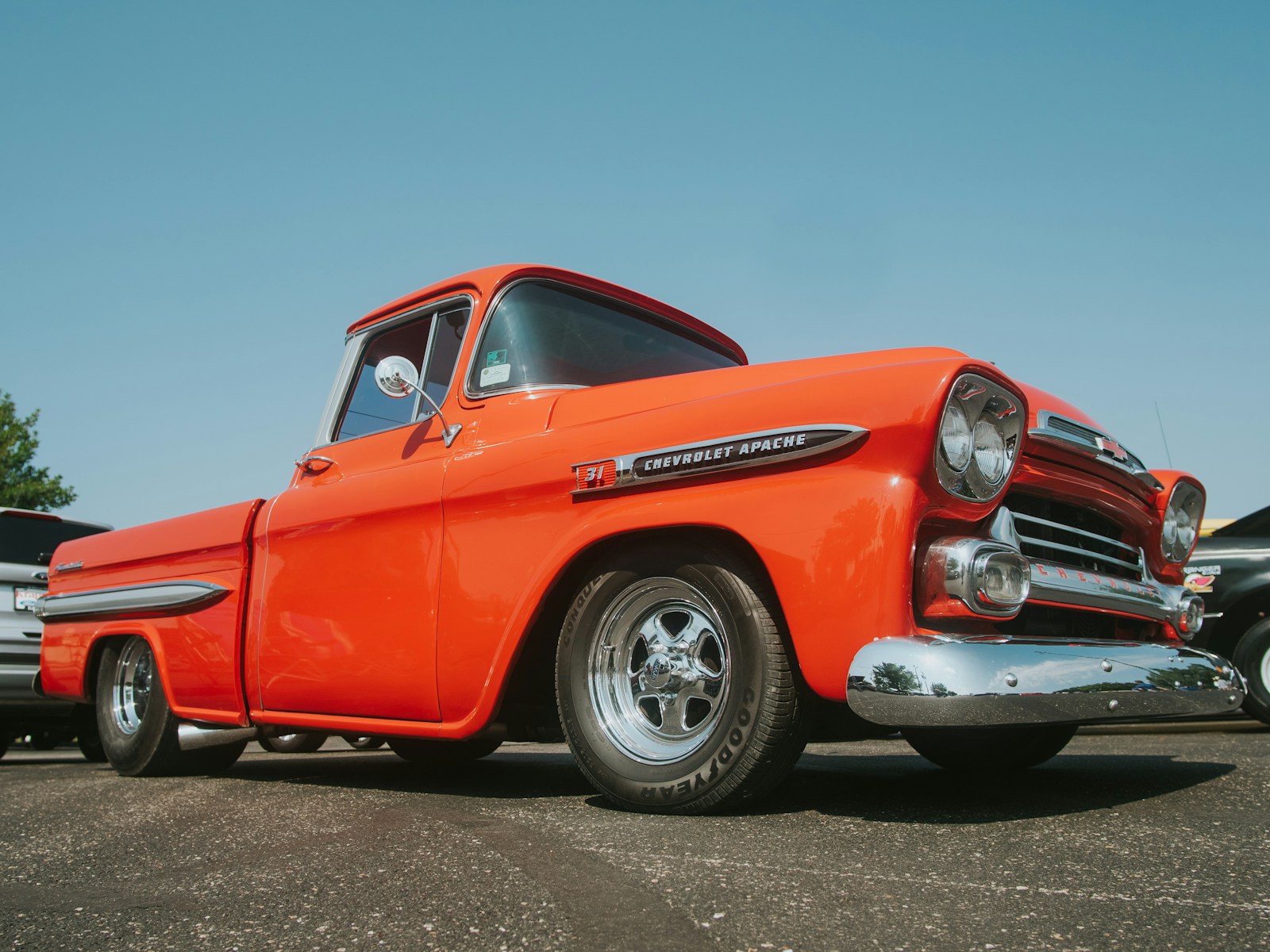
The moment a rust‑bitten half‑ton gets a 350‑cid block, the excitement spikes—until the first fill‑up blows past the budget you set for a simple rebuild. Between the extra gallons, the inevitable drivetrain tweaks, and the time spent chasing elusive parts, the swap often becomes a cash‑drain rather than a performance gift.
Does the Power Gain Offset the Fuel Penalty?
A 350‑cid pushrod V8 can add 150 hp to a 1970‑era 4‑cylinder, but the fuel‑burn rises almost proportionally. An engine that once whispered 18 mpg on the highway now sputters around 12 mpg under the same load. The raw numbers look tempting, yet the extra 6 mpg loss translates into roughly $1,200‑$1,500 per year on a 12‑gallon‑a‑week schedule.
The torque surge also tempts drivers to tow heavier loads, unintentionally pushing the engine deeper into its low‑efficiency band. When the transmission is left stock, the gear ratios stay tall, forcing the V8 to rev higher for modest speeds. Those higher revs consume more fuel per mile, erasing any theoretical advantage from the horsepower bump.
How Does Added Weight and Gear Ratio Mismatch Drain the Tank?
A cast‑iron V8 weighs 150‑200 lb more than the original inline‑four, and the accompanying cooling system, exhaust manifolds, and reinforced mounts add another 100 lb. The extra mass forces the rear axle to work harder, especially on hills where the truck spends most of its time. Each pound of inertia costs a fraction of a cent per mile, but the cumulative effect becomes noticeable after a few thousand miles.
When the rear gear set stays at the factory ratio—often 4.10:1 for a half‑ton—the V8’s broader torque curve meets a gear that was tuned for a low‑torque engine. The mismatch means the engine sits in a less efficient RPM window during cruising, raising fuel consumption by up to 15 percent. Swapping to a numerically lower rear gear can improve mileage, but it also introduces new costs and a potential loss of low‑speed pulling power.
What Real‑World MPG Results Reveal After a 350 Swap?
Owners who record fuel data over a full tank typically report highway figures between 10 mpg and 13 mpg, depending on tire size and payload. City driving drops even lower, often hovering around 8 mpg when stop‑and‑go traffic meets a hungry V8. These numbers contrast sharply with the 15‑17 mpg many pre‑swap estimates claim.
A small sample of trucks equipped with a 4‑speed manual shows a modest bump to 14 mpg on the open road, but that scenario demands careful shifting and a light load. Most daily drivers stick with the stock automatic, where the fuel penalty remains stubbornly high. The data suggests that the theoretical 30 % power increase rarely translates into a 10 % fuel‑efficiency gain.
Where Do the Hidden Expenses Emerge Beyond the Engine Block?
Fuel‑pump upgrades are almost mandatory; the original pump struggles to keep a high‑flow V8 fed, leading to lean conditions and wasted fuel. A reliable pump runs $150‑$300 plus labor. Fuel‑line adapters, larger injectors, and a tuned carburetor or EFI conversion can each add $200‑$500 to the bill.
Cooling upgrades are another surprise. A stock radiator barely handles the extra heat, forcing owners to install a heavy‑duty unit that can cost $250‑$600. Without adequate cooling, the engine runs hotter, lowering combustion efficiency and spiking fuel use. Ignition components—coil, distributor, spark plugs—also need beefier versions, each ranging $50‑$150.
Finally, the exhaust system must be widened to accommodate the V8’s larger headers. A custom pipe job often exceeds $800, and the added backpressure can actually worsen fuel economy if not tuned correctly. Many builders overlook these ancillary upgrades until the truck starts coughing on the highway, at which point the repair bill balloons.
Practical Steps to Tame the Guzzler (and Rough Cost Estimates)
- Install a lower rear‑axle ratio – A 3.73:1 gear drops highway consumption by 1‑2 mpg; expect $400‑$900 for parts and labor.
- Upgrade to a high‑flow fuel pump – Choose a pump rated for 350 cid; budget $200‑$450 including installation.
- Swap to a performance‑tuned carburetor – A 750‑cfm unit can shave a tenth of a gallon per mile; cost sits between $250‑$500 plus $100‑$200 for jetting work.
- Add a lightweight aluminum radiator – This reduces coolant temperature by several degrees, aiding efficiency; price range $300‑$650.
- Fit a 4‑speed manual transmission – If the budget allows, the extra gear can improve highway mpg by up to 1.5 points; expect $1,200‑$2,000 for a solid rebuild.
Each step delivers a measurable improvement, yet the cumulative expense often rivals the price of a newer, more efficient truck. The key is to weigh the enjoyment of a throaty V8 against the steady drain on the wallet.
What to Double‑Check Before Signing Any Invoice
- Verify that the quoted rear‑axle gear matches the ratio you actually need for your typical load.
- Confirm the fuel pump’s flow rating aligns with the V8’s maximum demand; undersized units will cause lean conditions.
- Ask for a written estimate that separates parts from labor, especially for custom exhaust work that can vary wildly.
- Insist on a test run after the swap, recording at least one full tank’s mileage to catch early efficiency issues.
- Ensure the shop provides a warranty on critical components like the radiator and transmission, as failure on those parts can resurrect the fuel‑guzzling problem.
If any of these items raise doubts, pause the project until the numbers line up with reality. The romance of a classic V8 is undeniable, but the hidden fuel bill can turn that romance into a financial nightmare.
Keep reading
1992 Ford F‑250 Raptor Added to Owner Costs
Readers discover how the Raptor’s over‑engineered features inflated ownership expenses. Most guides praise its rarity while ignoring the hidden price tags that cripple budgets.